
Our Story
Cascadia is a popular grassroots movement that has inspired the imagination for more than forty years. It spans tens of thousands of individuals, businesses, and community groups throughout the Cascadia bioregion. The movement works to further local autonomy, to empower individuals and communities to better represent their own needs, and to create sustainable local economies through bioregional planning. It encourages people to think bioregionally, and therefore locally; to build community resilience; and to create new pathways for communication, politics, and interdependence that better reflect the social, cultural, and political realities of our region.
Cascadia stands on the front lines of many of the issues now facing the world. The bioregion sits between resource extraction to the east and booming global markets across the Pacific. It is home to some of the world’s wealthiest corporations while many neighbors struggle with poverty, and it leads in green technology, energy, and localized systems of resilience and community. Wildfire and drought have become yearly realities, while heavier flooding and waves of economic migration strain food systems, resources, and ecosystems. Everywhere, people are saying that we need a change. Cascadians are in a unique position to offer one.
Bioregional Roots
On a sunny day in July, more than 100 people gathered at Evergreen State College in Olympia, Washington to help shape a positive future for the Cascadia bioregion. They met deliberatively, in a participatory process that included representatives of watersheds, towns, organizations, groups, and species; they examined challenges facing the region and explored strategies and goals to overcome them. Over that weekend, bioregional organizers, policy planners, feminists, anarchists, and Indigenous leaders gathered with the first Cascadia flag, bearing the stars and crescent, for what became the first Cascadia Bioregional Congress.
Over the following decade these gatherings swelled by hundreds. Committees and forums formed voluntarily to address issues ranging from grassroots democracy, community building, and forestry to recycling, nuclear concerns, and decentralized local economics. Resolutions and statements were drafted and approved by the larger body through a hybrid consensus model. Direct action, the inclusion of Indigenous and traditionally marginalized voices, gender equality, and safe organizing spaces became central commitments of the growing movement.
These congresses helped seed many early recycling, composting, gardening, and community programs, along with new media networks and business cooperatives, as participants moved into leadership and government roles and implemented programs that established the Cascadia bioregion as a leader on these issues. Early pioneers included organizers such as Earth Day founder Denis Hayes. Groups like Cascadia Earth First, the Cascadia Forest Defenders, and Cascadia Wildlands formed to help protect the bioregion’s unique ecosystems, while Cascadia continued to grow academically through geology, environmental science, and geography, and among elected and business leaders in bodies like the Pacific Northwest Economic Region, one of the largest examples of cross-border paradiplomacy in the world.
The Cascadia Movement Today
“Cascadia represents, better than states, countries, and cities, the cultural and geographical realities of our region.”
Paul Schell, former Mayor of Seattle
Cascadia is the name of the land, given to it by the people who live here. Rather than commemorating far-off people or places, the name highlights the water we all rely on: the waters that cascade from the first drop of rain, through evergreen forests and desert canyons, on their journey to the eastern rim of the Pacific Ocean. A new name offers a new opportunity to forge something positive together, from a culture rooted in place and the shared values that arise from sharing a home. Like the peoples who have lived here for thousands of years, Cascadians have the opportunity to connect with the practices that have thrived, developed, and adapted in this region, to set aside those that do not serve, and to forge a new shared vision of what is possible.
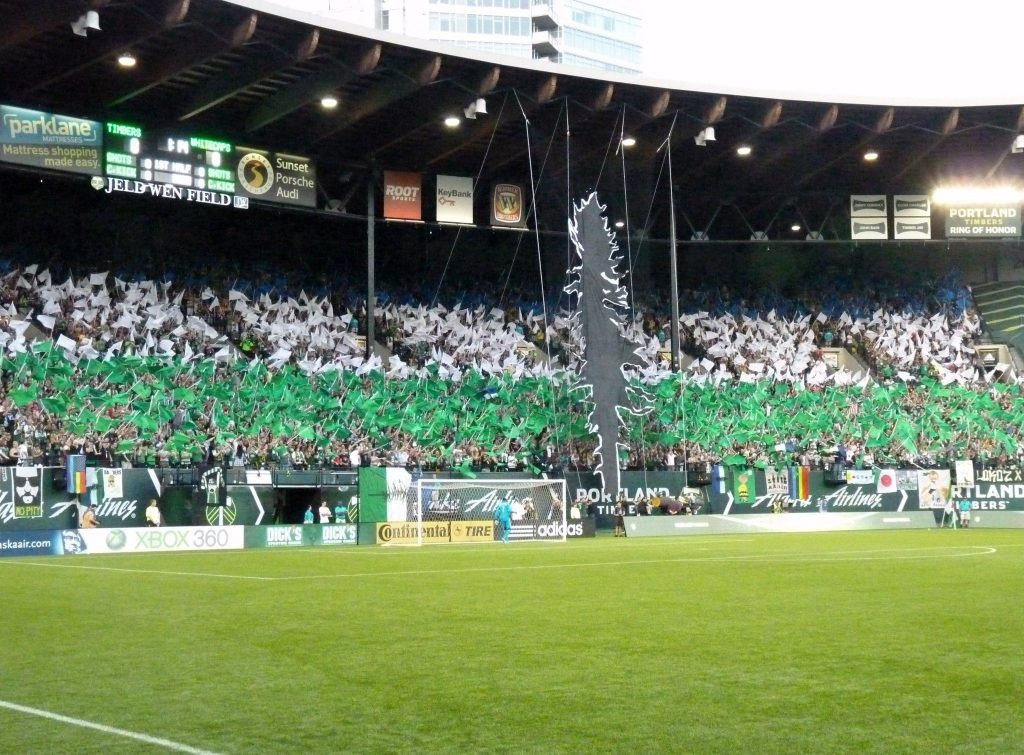
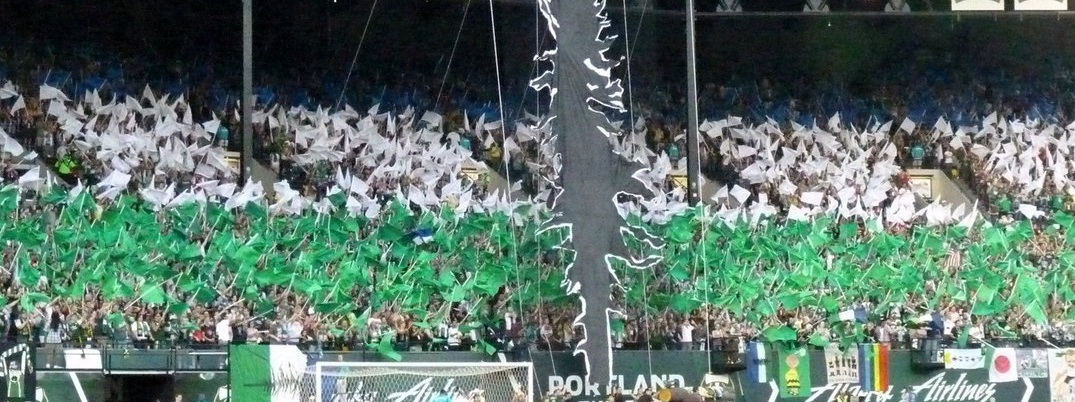
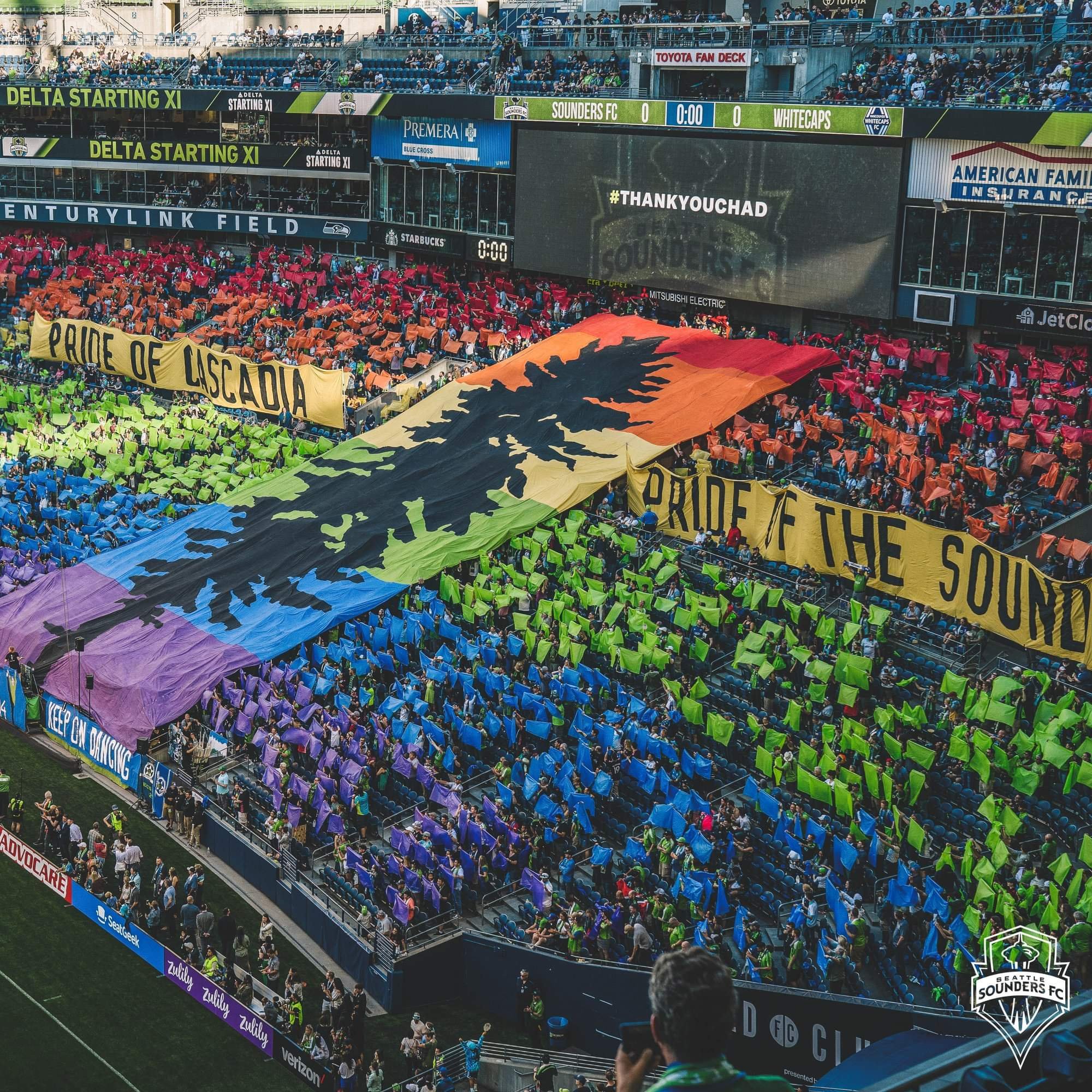
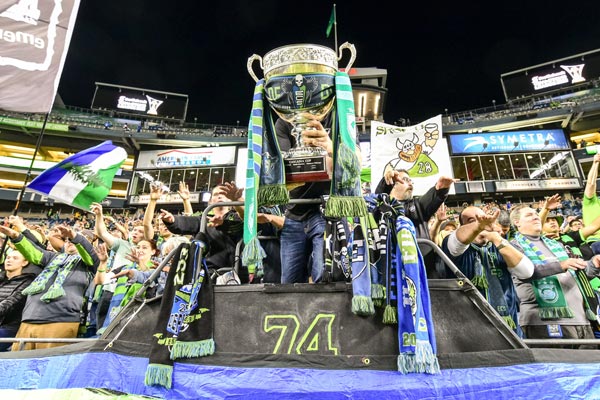
The movement today has inspired tens of thousands of people to be active on the issues they care about most, and it continues to inspire a unique regional identity within the Pacific Northwest, reflected in beer (Cascadia Dark Ale), sports (the Cascadia Cup), and music (Cascadian black metal), to name a few. The idea has been adopted by researchers studying regional growth management, environmental planning, economic cooperation, and disaster preparedness. Support also comes from institutions and businesses, from the Bullitt Foundation’s Cascadia Center to the renaming of the Salish Sea, the adoption of the Cascadia megaregion by federal policy makers, the Cascadia Subduction Zone, and local government and business leaders working together on Cascadia High Speed Rail.
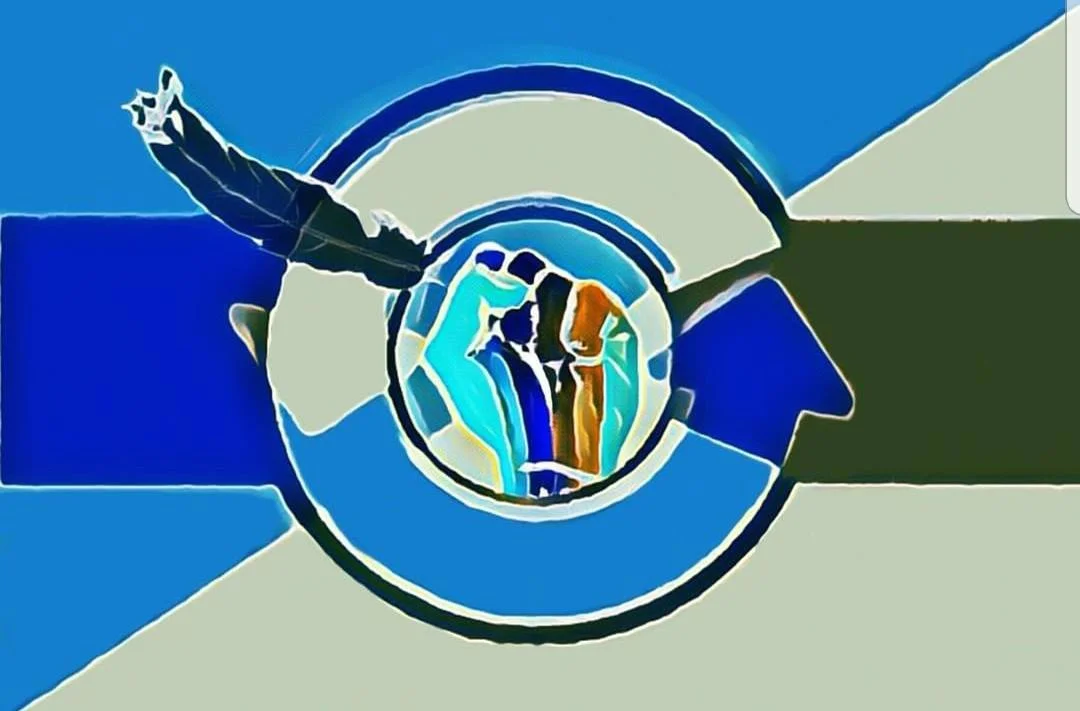
The modern organizing era began when Brandon Letsinger founded CascadiaNow! as the Cascadia Independence Project. It grew rapidly in popularity, building chapters throughout the Pacific Northwest and drawing coverage in publications including Vice, USA Today, NPR, the CBC, the New York Times, CNN, Forbes, Portland Monthly, the Seattle Times, the Wall Street Journal, and the Oregonian. As it grew, it became more deeply aligned with bioregionalism, shifted toward an educational focus, and launched as a 501(c)(3) nonprofit organization. Many other groups have followed, including the Cascadia Independence Party, David McCloskey’s Cascadia Institute, the Cascadia Football Team, and the Cascadia Underground.
A Shared Identity
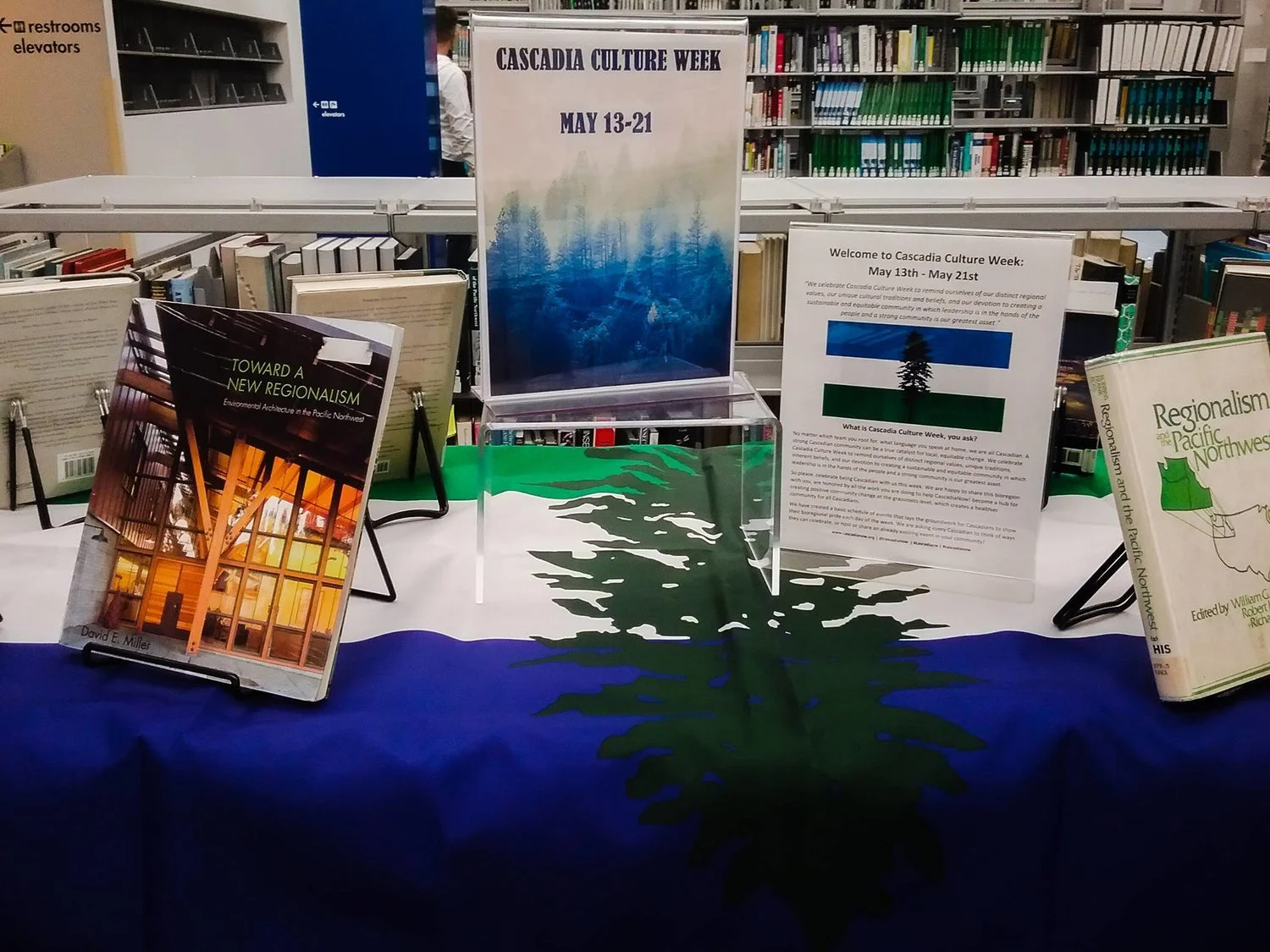
For many Cascadians, Cascadia is more than the region we live in. It has become a collective identity stemming from our shared experiences and stories of this place. That identity allows us to come together as a community and a social movement, to act as a powerful force for change, to build a framework in which every person can be active on the issues they care about, and to hold a vision of a bioregion that is vibrant, autonomous, and resilient. Nature acts bioregionally, and culture stems from place. Whether the issue is wildfire, drought, flood, energy independence, or food sovereignty, every community affected must have a substantial role in the decision making process, and every community along a watershed must be included. Ultimately, the people living here, rather than in power centers thousands of miles away, are best positioned to determine the right course of action for themselves and their communities.
What the Movement Works Toward
- Building greater understanding of the Cascadia bioregion.
- Growing our democratic institutions.
- Working with First Nations toward truth and reconciliation.
- Promoting place-appropriate technologies and policies.
- Providing direct funding for community projects.
- Educating about bioregionalism.
- Supporting the creation of watershed-based centers to determine the carrying capacities and regenerative frameworks of each watershed and bioregion we live in.
It is up to Cascadians, each in their own way, to create and promote these changes and to lead the way forward, rather than wait for someone else to do it for us.
Continue the Story
This site is the public hub for the Cascadia Movement, stewarded by the Department of Bioregion, a 501(c)(3) nonprofit. Learn about the Cascadia bioregion, read the story of the Doug flag, find a local group, join a Topic Group, or support the work.