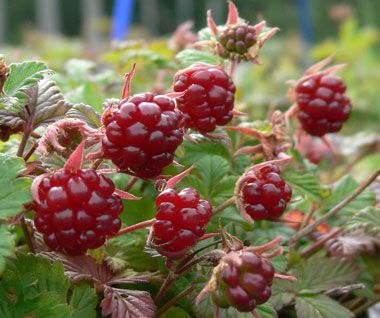
Seahpo olallie
[se-áh-po O-lal’-lie] or [se-áh-pult U-lal-i] — noun.
Meaning: Raspberry
Origin: French, chapeau “hat”, “cap” + Heiltsuk, olallie “salmon berry”; Chinook, ulali, “berry”
There are several varieties of raspberry in Cascadia, including the Snow Raspberry (Rubus nivalis), which is native to northwestern North America: British Columbia, Washington, Idaho, and far northern California, and the White Bark Raspberry (Rubus leucodermis), who’s range extends from Alaska to as far south as Mexico.
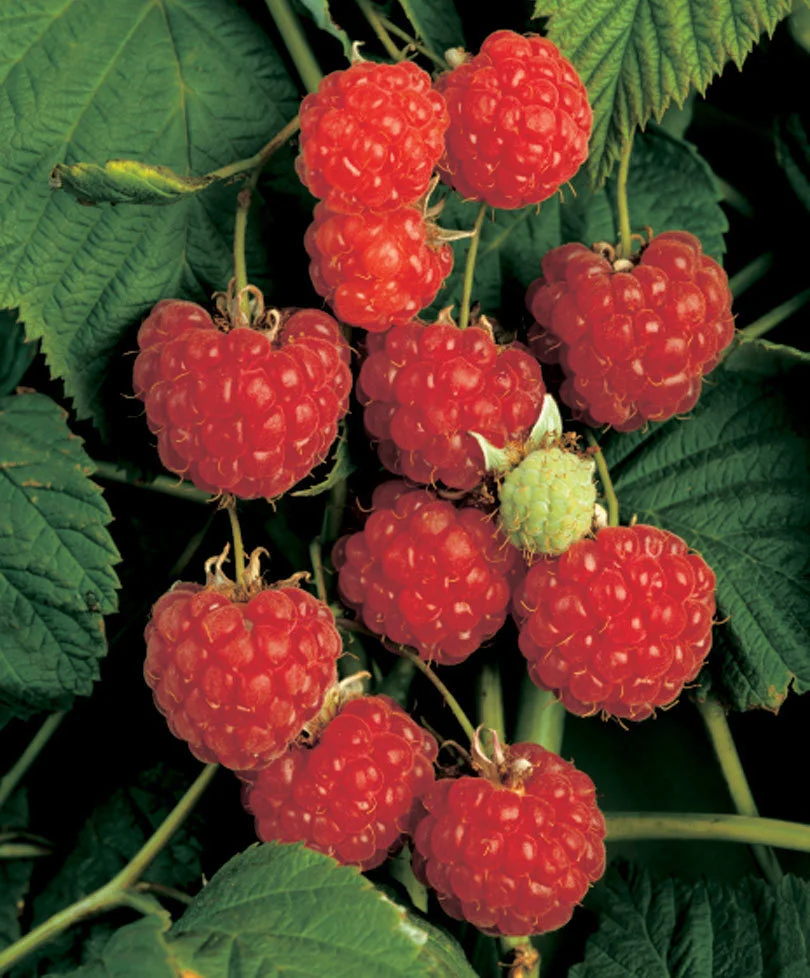
Cascadia is also home to the Arctic raspberry (Rubus arcticus), a species found in arctic and alpine regions in the Northern Hemisphere from Alaska-Yukon all the way across Eurasia to the Fenno-Scandian peninsula, is sometimes known as the ‘nagoon’ or ‘nagoonberry’, a name which derives from the Tlingit neigóon.
Raspberries and leaves are rich in iron and they also contain minerals-phosphorus, potassium, magnesium, which help build the blood by carrying iron from stores in the liver, spleen, and bone marrow to needy tissues.
Raspberry leaves can be used fresh or dried in herbal teas, providing an astringent flavor as well as relief from nausea women might experience while pregnant, as well as assists contractions and checks hemorrhage during labor and delivery.